
🌙What is Ramadan Karim
Ramadan Kareem is one of the most sacred and beautiful months for Muslims around the world. It is the ninth month of the Islamic calendar and a time of fasting, prayer, charity, and self-improvement. During this holy month, Muslims try to become better people by controlling their desires, helping others, and remembering Allah more often.
Ramadan Karim is not just about staying hungry or thirsty; it is about spiritual growth, patience, kindness, and gratitude.
1. Meaning of Ramadan Kareem
The word Ramadan comes from the Arabic root meaning intense heat or dryness. It reminds Muslims to burn away their sins through good deeds and prayers. People greet each other by saying Ramadan Kareem or Ramadan Mubarak, which means wishing blessings and generosity during the holy month.
Ramadan Karim is also believed to be the month when the Holy Quran was revealed to Prophet Muhammad (peace be upon him). Because of this, Muslims read and listen to the Quran more during this time.
2. Importance of Fasting (Roza)
Fasting in Ramadan is one of the Five Pillars of Islam, which makes it very important for Muslims. From sunrise to sunset, Muslims do not eat or drink anything. They also avoid bad habits like lying, fighting, and using harsh words.
Fasting teaches:
- Patience – controlling hunger and anger
- Discipline – following a daily routine
- Kindness – understanding poor people’s struggles
- Faith – becoming closer to Allah
Children, sick people, travelers, pregnant women, and elderly people are allowed not to fast, but they can make up later or give charity.
3. Daily Routine in Ramadan
Sehri (Suhoor – Pre-Dawn Meal)
Muslims wake up early before sunrise to eat Sehri. It is important to eat healthy food like fruits, milk, bread, eggs, or rice. Drinking enough water helps during the fast. After Sehri, Muslims pray the Fajr prayer and start fasting.
Fasting During the Day
During the day, Muslims go to work, school, or business while fasting. They avoid bad actions and try to stay calm and patient. Many people read Quran, listen to Islamic lectures, or help others.
Iftar (Breaking the Fast)
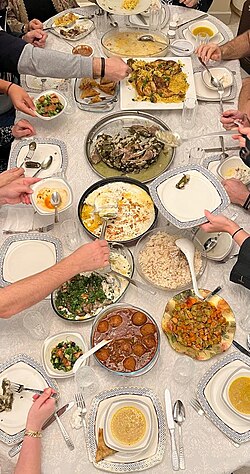
At sunset, Muslims break their fast with dates and water, following the tradition of Prophet Muhammad (PBUH). Families gather together to eat and thank Allah. Iftar meals often include fruits, pakoras, samosas, rice, curry, and sweets, depending on culture.
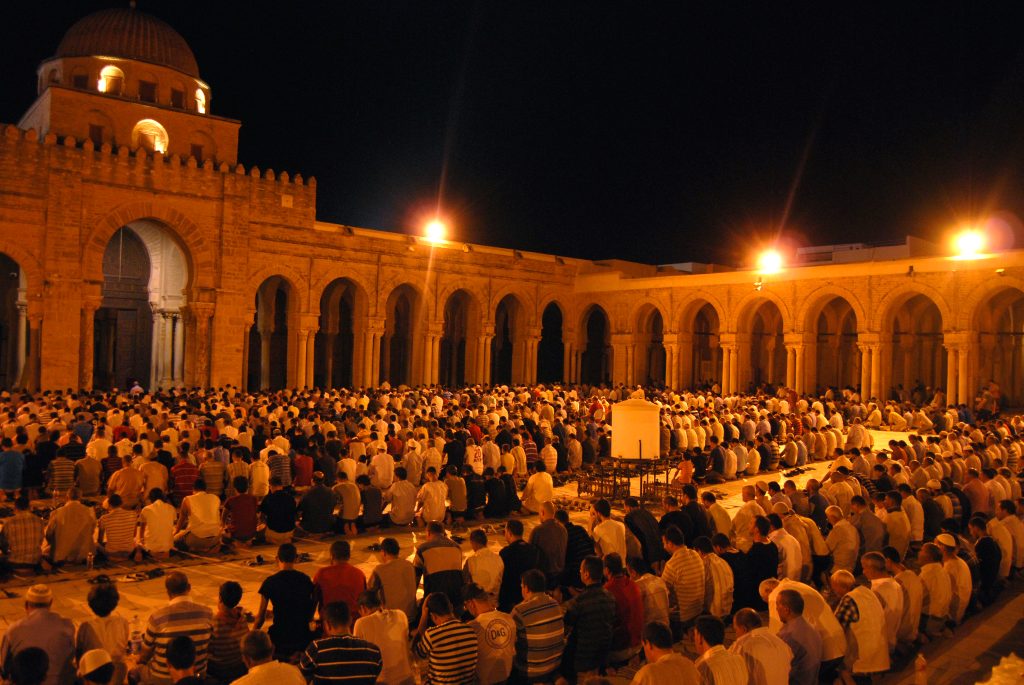
Taraweeh Prayer
At night, Muslims pray special prayers called Taraweeh in mosques or at home. During Taraweeh, the Quran is recited. This prayer makes Ramadan nights peaceful and spiritual.
4. Charity in Ramadan
Ramadan is also the month of giving. Muslims donate money, food, clothes, or help to poor people.
Two important charities are:
- Zakat – a yearly donation to help needy people
- Sadaqah – voluntary charity at any time
Helping others in Ramadan brings blessings and happiness. Many people distribute food to poor families or invite them for Iftar.
5. Last Ten Days of Ramadan
The last ten days are the most special. Muslims pray more and search for Laylat-ul-Qadr, the Night of Power. It is believed to be better than 1000 months of worship. People spend nights praying, reading Quran, and asking forgiveness.
Many Muslims also perform Itikaf, staying in the mosque for worship and reflection.
6. Spiritual Benefits of Ramadan
Ramadan is like a training camp for the soul. It teaches:
- Self-control
- Forgiveness
- Gratitude
- Discipline
- Love for others
People try to stop bad habits like smoking, gossiping, or wasting time. Ramadan helps Muslims become better even after the month ends.
7. Health Benefits of Ramadan
Fasting can also have health benefits if done properly:
- Improves digestion
- Controls weight
- Reduces stress
- Builds healthy eating habits
Eating balanced food and drinking enough water during Sehri and Iftar is important to stay healthy.
8. Ramadan Around the World
Ramadan is celebrated in many countries like Saudi Arabia, India, Pakistan, Turkey, Indonesia, and Egypt. Every place has unique traditions.
In India, especially in cities like Delhi, Hyderabad, and Lucknow, markets stay open late at night. Streets are filled with delicious foods, sweets, and lights. Families shop for clothes and gifts before Eid.
Mosques become full of people praying together, creating a beautiful feeling of unity.
9. Eid Celebration After Ramadan
After 29 or 30 days of fasting, Muslims celebrate Eid al-Fitr, the festival of breaking the fast.
On Eid day, Muslims:
- Wear new clothes
- Pray Eid Namaz
- Give Zakat-ul-Fitr
- Visit family and friends
- Eat sweets like seviyan or kheer
Children receive gifts and money called Eidi. Eid is a day of happiness, forgiveness, and love.
10. Simple Ramadan Tips
Here are some easy tips to make Ramadan better:
- Wake up early for Sehri
- Drink plenty of water
- Read Quran daily
- Help poor people
- Avoid wasting time on mobile
- Pray regularly
- Stay kind and calm
Even small good deeds are rewarded more during Ramadan.
Conclusion
Ramadan Kareem is a beautiful and peaceful month that teaches Muslims how to live a better life. It is not only about fasting from food but also fasting from bad habits and negative thoughts. Through prayer, charity, patience, and kindness, Muslims try to become closer to Allah.
Ramadan reminds us to care for others, appreciate what we have, and live with love and honesty. After Ramadan ends, Muslims celebrate Eid with joy and gratitude.
May this Ramadan bring peace, happiness, and blessings to everyone.
Ramadan Kareem 🌙