
The Value of Blood for Human Beings
Blood is one of the most precious gifts of life. It flows silently inside our bodies, carrying oxygen, nutrients, and energy to every cell. Without blood, the human body cannot survive even for a few minutes. From sustaining life to healing wounds, from protecting us against disease to saving lives during emergencies, blood plays a priceless role in human existence. Understanding the true value of blood helps us appreciate our health and encourages us to help others through blood donation.
1.Blood: The Lifeline of the Body
Blood in our body is made up of red cells, white cells, platelets, and plasma. Each component has an important function.
Oxygen is carried from the lungs to the body by red blood cells. Oxygen is needed for energy production, brain function, and organ health. Without enough oxygen, the body becomes weak, and serious health problems occur.
White blood cells are our body’s soldiers. They fight infections, viruses, and bacteria. White blood cells fight off germs to defend our body and maintain good health.
Platelets help in clotting. When we get injured, platelets stop bleeding and protect us from losing too much blood.
Nutrients, hormones, and waste materials are moved throughout the body by plasma. It maintains balance and supports many chemical reactions.
Because of these roles, blood is essential for life. Every heartbeat sends blood throughout the body, keeping every organ alive.
2.Blood Saves Lives
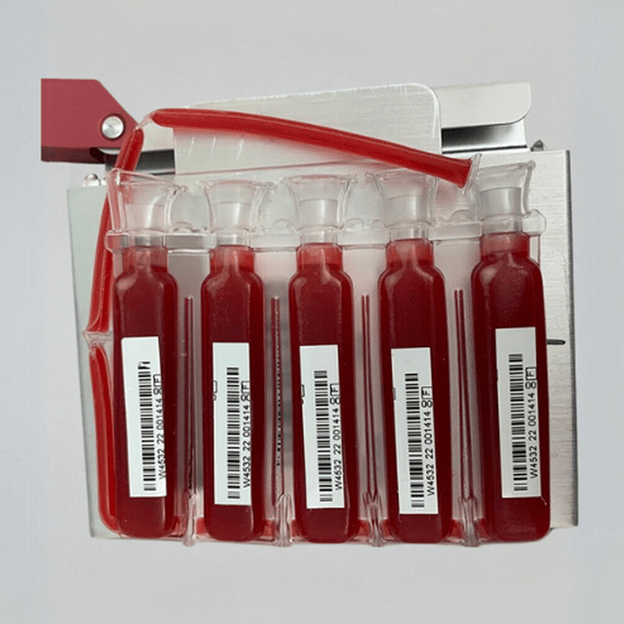
Thousands of patients worldwide depend on blood transfusions daily. Patients who meet with accidents, mothers during childbirth, people with cancer, surgery patients, and those with blood diseases depend on donated blood.
According to World Health Organization, millions of blood donations are needed every year to save lives. Hospitals cannot create blood artificially; it can only come from healthy donors.
Organizations like Red Cross and many local blood banks collect and store blood to help patients in emergencies. Donating blood once can make a life-saving difference for up to three people. This shows how valuable of blood is—not only for the person who has it but also for others who need it.
3.Blood and Health
Healthy blood means a healthy body. When blood is pure and strong, organs work properly. When blood is weak, diseases like anemia, infections, and weakness occur.
People must take care of their blood by eating healthy foods such as fruits, vegetables, iron-rich foods, milk, and protein. Drinking clean water, exercising regularly, and avoiding smoking and drugs help maintain healthy blood.
Doctors often check blood to diagnose diseases. Blood tests can show problems in the liver, kidneys, heart, and immune system. This makes blood an important tool in medical science.
4.Blood Donation: A Noble Act
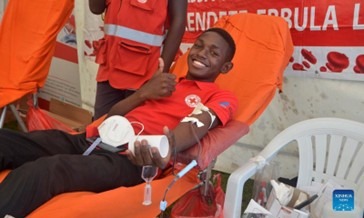
Blood donation is a noble deed that gives others a chance to live. It costs nothing but can save lives. Healthy adults can donate blood safely every few months.
Blood donation has many benefits:
It saves lives.
It improves heart health.
It reduces harmful iron levels.
It creates a sense of happiness and social responsibility.
When we donate blood, we become part of a life-saving mission. Many people survive because of unknown heroes who donate blood regularly.
5.Emotional and Social Value of
Blood is not just a physical fluid; it has emotional meaning too. Families share the same bloodline. People say “blood relations” to show deep family connections.
Blood also represents unity. When someone donates blood to a stranger, it shows kindness, love, and humanity. It breaks barriers of religion, race, and nationality. Blood is the same red color in every human being.
In disasters like earthquakes, accidents, or wars, blood donors come forward to help unknown people. This shows the true spirit of humanity.
6.Blood in Emergencies
In emergencies situations, blood is the difference between life and death. Accident victims who lose blood need transfusions quickly. Without blood, surgeries cannot be done safely.
Hospitals always need blood of all types—A, B, AB, and O. Rare blood groups are especially important. People with rare blood types should donate regularly because their blood can save special patients.
Keeping enough blood in hospitals is a global challenge. Many countries face shortages. That is why awareness about blood donation is very important.
7.Religious and Moral Importance
In many cultures and religions, saving a life is considered a great act. Donating blood is seen as charity and kindness. Helping someone live is one of the highest forms of humanity.
Blood donation teaches us compassion, responsibility, and care for society. It reminds us that life is a shared gift.
8.Protecting the Value of Blood
We must protect the value of blood by living healthy lives and encouraging donation. People should:
Eat nutritious food.
Avoid harmful habits. Get regular health check-ups.
Donate blood if healthy.
Spread awareness about blood donation.
Schools, colleges, and communities should organize blood donation camps. Awareness programs can help people understand its importance.
9.Conclusion
Blood is life. It carries oxygen, fights disease, heals wounds, and saves lives. Its value cannot be measured in money. Every drop of blood is precious.
By taking care of our health and donating blood, we can help others live. Blood donation is not just a medical act—it is a human duty. When we share blood, we share life.
The value of blood teaches us love, unity, and kindness. It reminds us that humanity is stronger when we help each other. Every person should respect this precious gift and use it to bring hope and life to others.